




The Beauty of Montana Sapphires
Sapphires have been known to occur in Montana for over 150 years and have been actively mined there for more than 100 years. Even with such a rich history, and a growth in recent interest, we believe they still do not yet have the recognition they deserve.
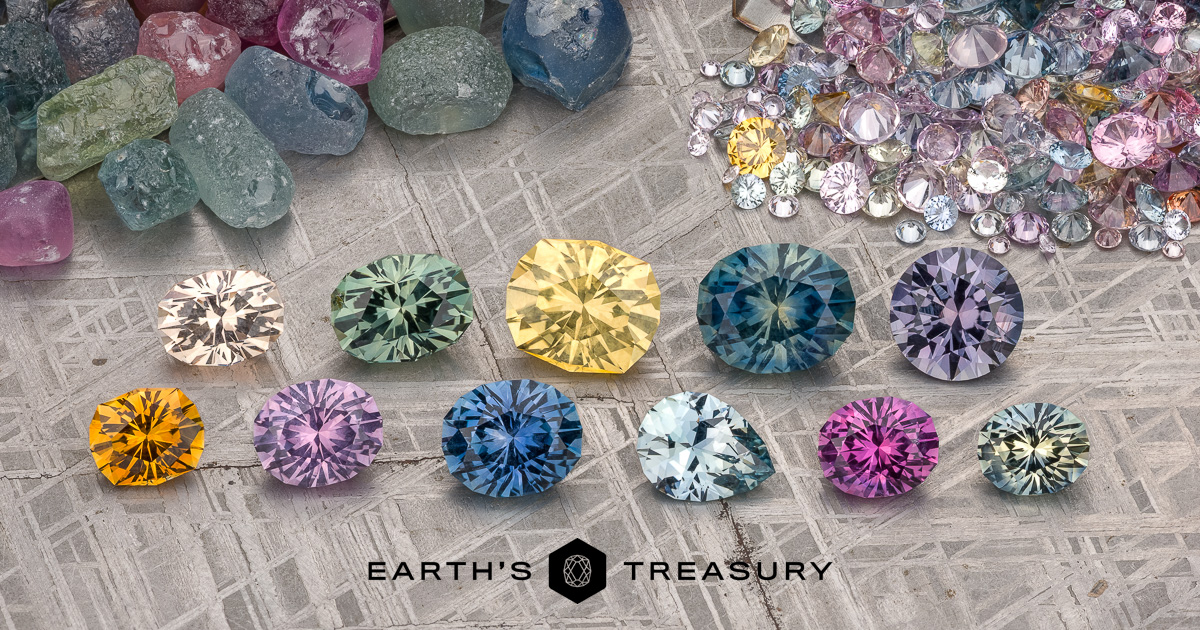
Montana sapphires feature a beautiful range of colors from the signature teals and blue-greens to “fancy” colors such as yellow, orange, violet, and pink. We’ve had a special focus on Montana Sapphires since our founding and are proud to share these beautiful gems with you, grounded in ethical sourcing that prioritizes eco-friendly mining practices. Learn more about Montana sapphires below to understand why we love them so much!
The History of Montana Sapphires
Montana is the only state in the United States with any significant production of gem-quality sapphires. There are four localities where sapphires are found in Montana: Yogo Gulch, Rock Creek, various deposits along the Missouri River and Dry Cottonwood Creek. Each deposit has its own story, history, and present-day mining practices, contributing to the rich legacy of Montana sapphires.
Yogo Gulch
The most famous deposit is Yogo Gulch, discovered when gold miners noticed blue pebbles turning up in their sluice boxes in the late 1860s. The true value of these stones wasn’t realized until 1894 when a sample was sent to George Kunz at Tiffany’s in New York and he identified them as sapphires.
What made these sapphires so remarkable was their intense blue and violet colors, as well as their extremely high clarity. Since that time, there have been intermittent efforts at mining the Yogo sapphires, but larger supplies of blue and violet sapphires from places like Sri Lanka have made mining of these gems uneconomical— at least on a large scale. The main reason for this is that Yogo sapphires must be mined from underground hard rock deposits, and the other reason is that they are almost always very small, with stones over one carat being extremely rare.
We are fortunate to be able to get some Yogo sapphire in small melee sizes that we feature in some of our premium jewelry pieces.

Rock Creek
The Rock Creek deposit, located in the aptly named Sapphire Mountains, was first discovered in the 1890s during the search for gold. This alluvial deposit initially produced very small gems that were used in abrasives and the tiny jewels in watches. The rise of synthetic sapphire took the place of these small gems, leaving the deposit to sit mostly idle for decades.
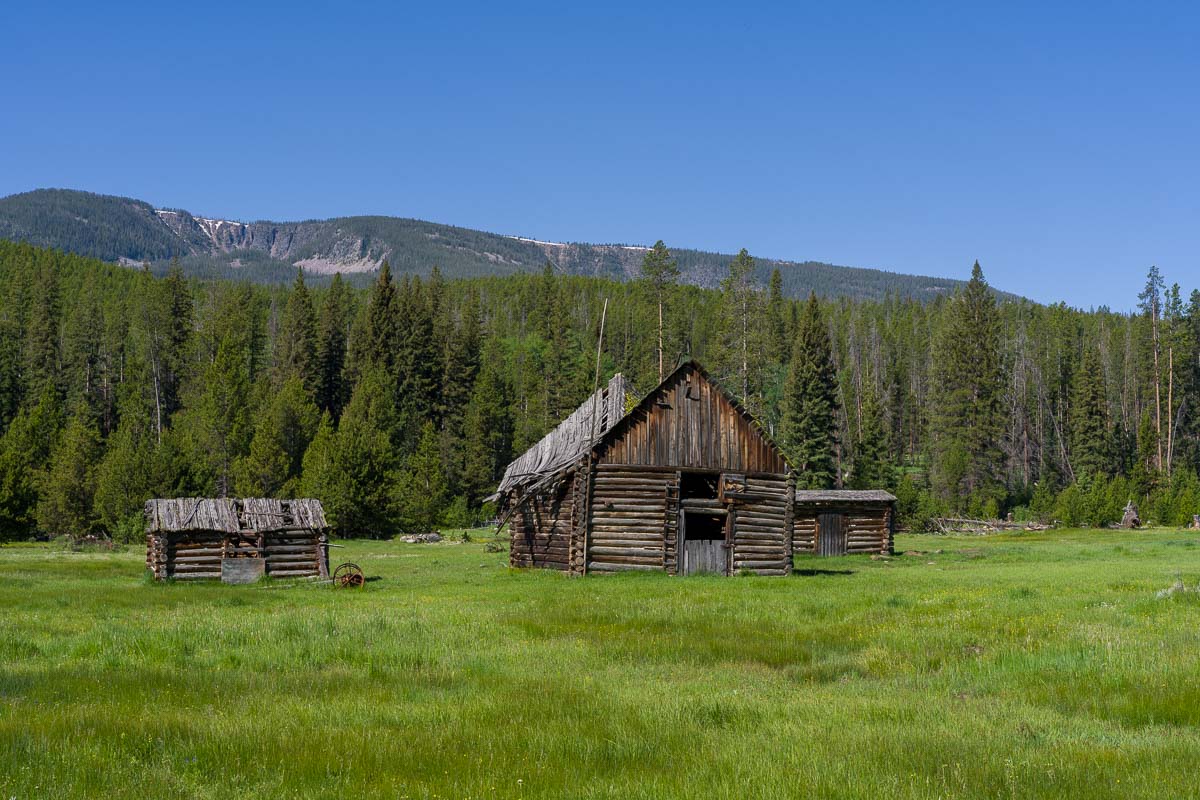
In 2014, Potentate Mining began acquiring land in the area and identified additional deposits on the slopes of Sapphire Mountain. Since 2016, they have acquired most of the sapphire producing land on this deposit and have been scaling up the mining to the point where they are now producing significant volumes of sapphire every year. With a renewed focus on gemstone production, Potentate has brought Rock Creek back to life—this time as a source of vibrant, ethically mined sapphires used in jewelry, including engagement rings.
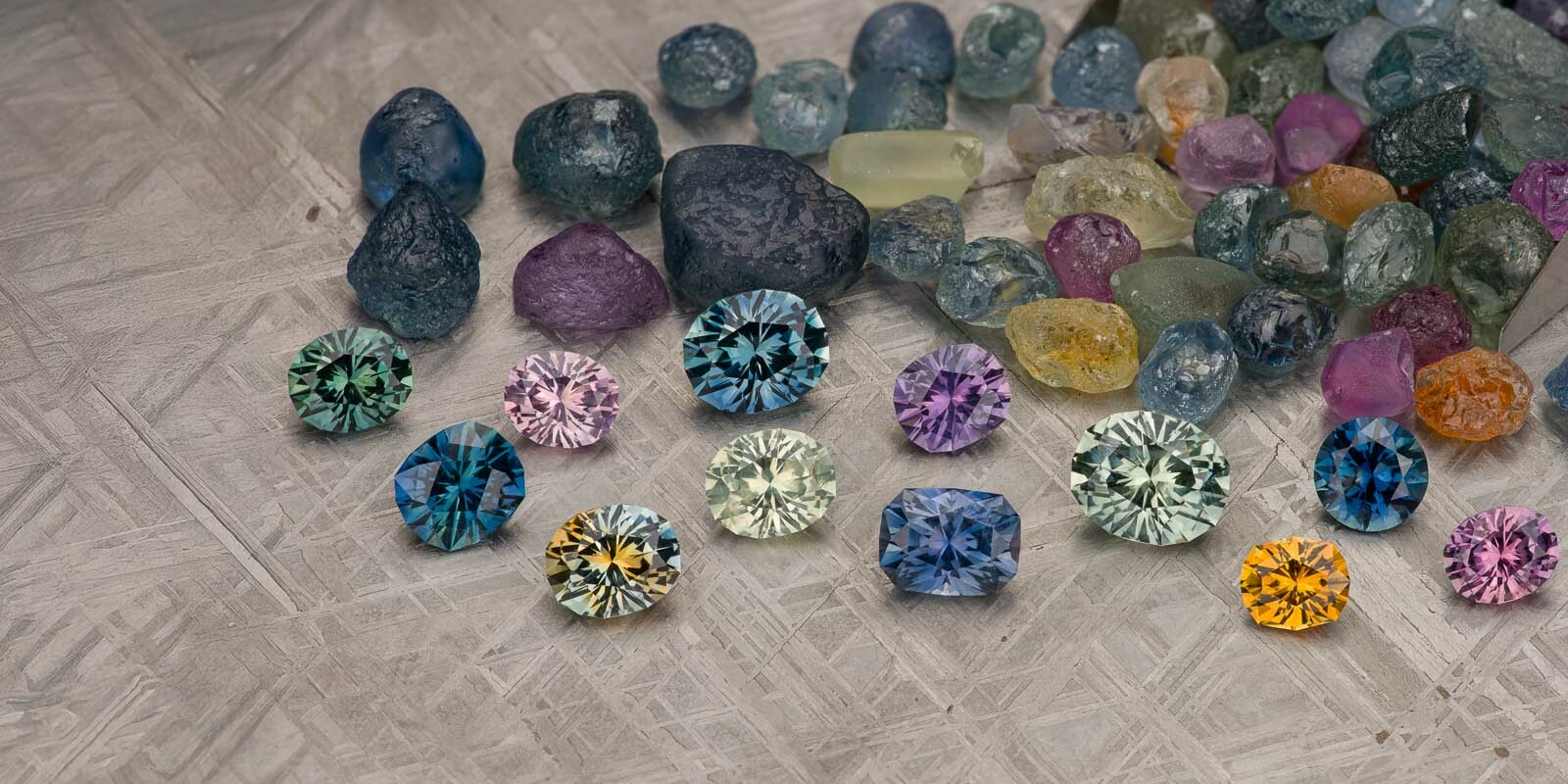
Rock Creek sapphires are known for their range of “fancy” colors—including yellows, oranges, teals, pinks, and purples—as well as the occasional vibrant blue. While you can get both unheated and heated sapphires from Rock Creek, the majority of them respond very well to modern heat treatment, more so than any other deposit in Montana with many developing very vibrant colors after heat treatment. The wide array of bright colors and great availability through larger-scale mining have made Rock Creek sapphires among the most sought-after Montana sapphires available on the market.
Missouri River
The Missouri River deposits are located just to the northeast of Helena, Montana. First discovered in the 1860’s by gold miners, these deposits have been continuously worked for over 150 years. Ancient alluvial bars were mined with dredges around the turn of the century, primarily for gold, although some sapphires were captured and retained.
The two primary localities here are the El Dorado Bar and the Spokane Bar. By volume, these deposits are the second largest in terms of production in Montana and have been more consistent producers over the last decades before commercial mining resumed at Rock Creek. Today these deposits are worked by several small-scale commercial miners and sapphires from this area are readily available.
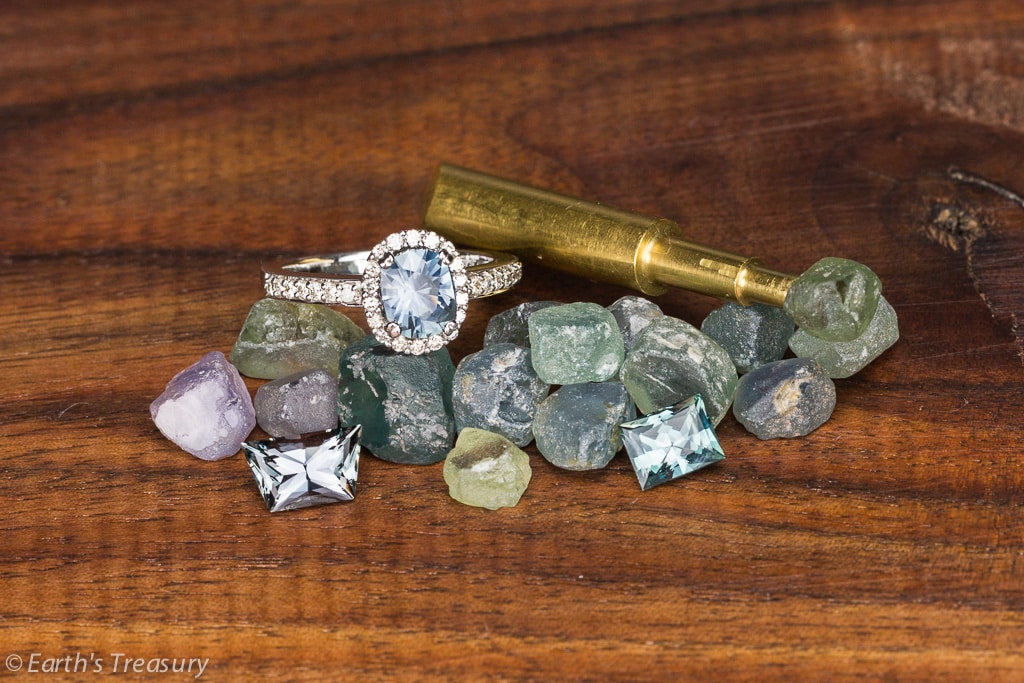
One advantage of the Missouri River sapphires is that the tend to have very high clarity due to limited or no rutile silk present in a large proportion of the gems mined here. While this means that most can be cut without heating, it also limits the color range and saturation. The sapphires from the Missouri River deposit tend to be lighter to pastel colors, although exceptions do of course exist. The smaller range of colors are compensated by the fact that on average, the Missouri River deposits will produce more larger sapphires than Rock Creek or Yogo. If you want a pastel color, larger unheated sapphire, the Missouri River deposits are an excellent source.
Dry Cottonwood Creek
The Dry Cottonwood Creek deposit, while not as well-known as others, is the last notable region in Montana. Like the other deposits, this area was also discovered during the gold rush. In recent years there has been some indication that mining may resume here, although historically most of the sapphires from this locale were pale-colored and tended to be flat, reducing the size of the finished gems that could be cut.
Sapphire Jewelry
Sapphires are outstanding gemstones for a wide variety of uses because of their brilliance, wonderful range of colors and excellent hardness— second only to diamonds. They are very tough as they do not have well-defined cleavage, which means they are excellent choices for daily-wear rings such as engagement rings. Indeed, sapphire is the default choice for an engagement ring gem in many parts of the world and is enjoying a growing resurgence here in the United States.
You can look at our current inventory of Montana sapphires by clicking here. We have one of the largest inventories of Montana Sapphires available in the world and we are constantly adding new stones.