




How We Describe Gem Clarity
We are often asked about clarity grades and clarity ratings on colored gemstones. There is a lot of confusion on this topic, so we’ve put together this article to discuss the topic and outline how we describe clarity here at Earth’s Treasury.
Are there industry standards for clarity grades?
No, not for colored gemstones. This fact comes as a surprise to most people, who imagine that colored gemstones must have similar clarity grades to diamonds. The subject is complicated by many online sellers who advertise their colored gems with diamond-like clarity grades. Unlike diamonds, there is no industry standard system for grading clarity in colored stones–and with good reason, as they are simply too variable for a “one size fits all” approach.
Some colored stones are prolific and can be easily found in larger sizes with few or no inclusions. Other colored stones, like emeralds, are rarely large or clean. Sapphires nearly always have tiny needle-like inclusions of the mineral rutile, though their appearance is commonly improved with heat treatment.
In the past the Gemological Institute of America (GIA) attempted to create a system for classifying the expected inclusions in colored gemstones and it used to be used in their gemological training, but not on reports. While its not an official system, it did establish some useful guidelines about how different types of gems can be classified into three broad categories:
- Type I: Type I gemstones are typically very clean when mined and can be expected to have no eye-visible inclusions. Most common gemstones are Type I, such as aquamarine, tanzanite, quartz, morganite, kunzite, blue zircon, green tourmaline and a few others.
- Type II: Type II gemstones are generally expected to have a few minor eye visible inclusions. Some of the most desirable and rare gemstones are Type II, such as ruby, sapphire and alexandrite. Other common Type II stones are amethyst, apatite, garnet, peridot, spinel, all tourmaline except green, pink/red and watermelon and all but blue zircon.
- Type III: Type III gemstones almost always are found with eye-visible inclusions. There are just a few Type III gemstones, the most well-known being emerald. Other Type III stones are red beryl, rubellite and watermelon tourmaline, sphalerite, and sphene.
Once again, this system is not “official” in any way, and is not used in reports. In fact, there is no data on clarity included in colored stone reports. The reason is that the level of potential variation in any given piece is too high to fit into one of the few categories neatly, and color is typically prized even more than clarity in colored gemstones. That said, it is a great guideline for how you should think about inclusions in many types of gems.
So where does that leave us? Well, we need to carefully describe inclusions in a way that most people can understand and accurately reflects what one sees when viewing a gem in person. The system GIA created is a good guideline, but is too broad for our purposes.
Earth’s Treasury Clarity Description System
We have developed a system to help describe clarity when choosing your gem. While you won’t be able to compare this to how other sellers rate their clarity, it will help you compare our gems against each other, and we do follow the GIA guidelines above to the best of our ability.
What ultimately matters is whether the inclusions are visible to the unaided eye, and if so, how they impact the appearance of the gem. Sometimes, an inclusion is visible when the gem is upside down, but difficult or impossible to see face up. Unless you plan on mounting the gem upside down, its appearance from the side or bottom should be irrelevant.
Our system is based on a visual inspection under standard daylight conditions by someone with 20/20 vision and viewed at a distance of approximately 10-12 inches (30 centimeters). Below, we have outlined five categories to describe clarity. You can filter gemstones by these categories as you shop on our website.
Nearly Flawless (NF)
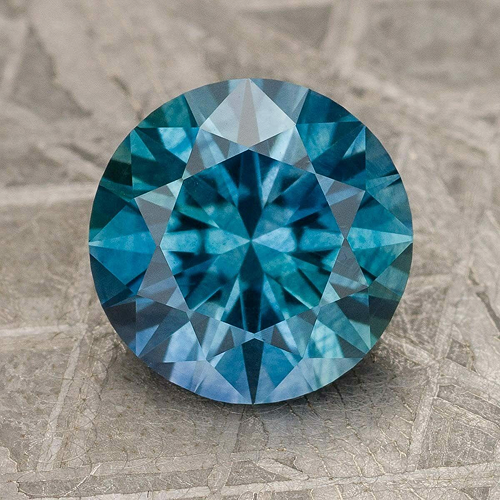
These gems have the highest clarity. While some may be flawless, they can also have tiny inclusions that are difficult to find in a quick inspection under a 10x magnifying loupe. That means you might find something under a microscope with a trained eye, but it’s not going to be easy.
In our Type I gems, they will typically also be truly flawless, especially in gems like Tanzanite, Morganite, Aquamarine and Kunzite. In sapphires, this is a rare designation and comes with a significant price premium. It’s important to note that the presence of rutile silk is normal and expected in an unheated sapphire— and even prized by many as a visual proof that the sapphire has not been subject to heat treatment.
Eye Clean (EC)
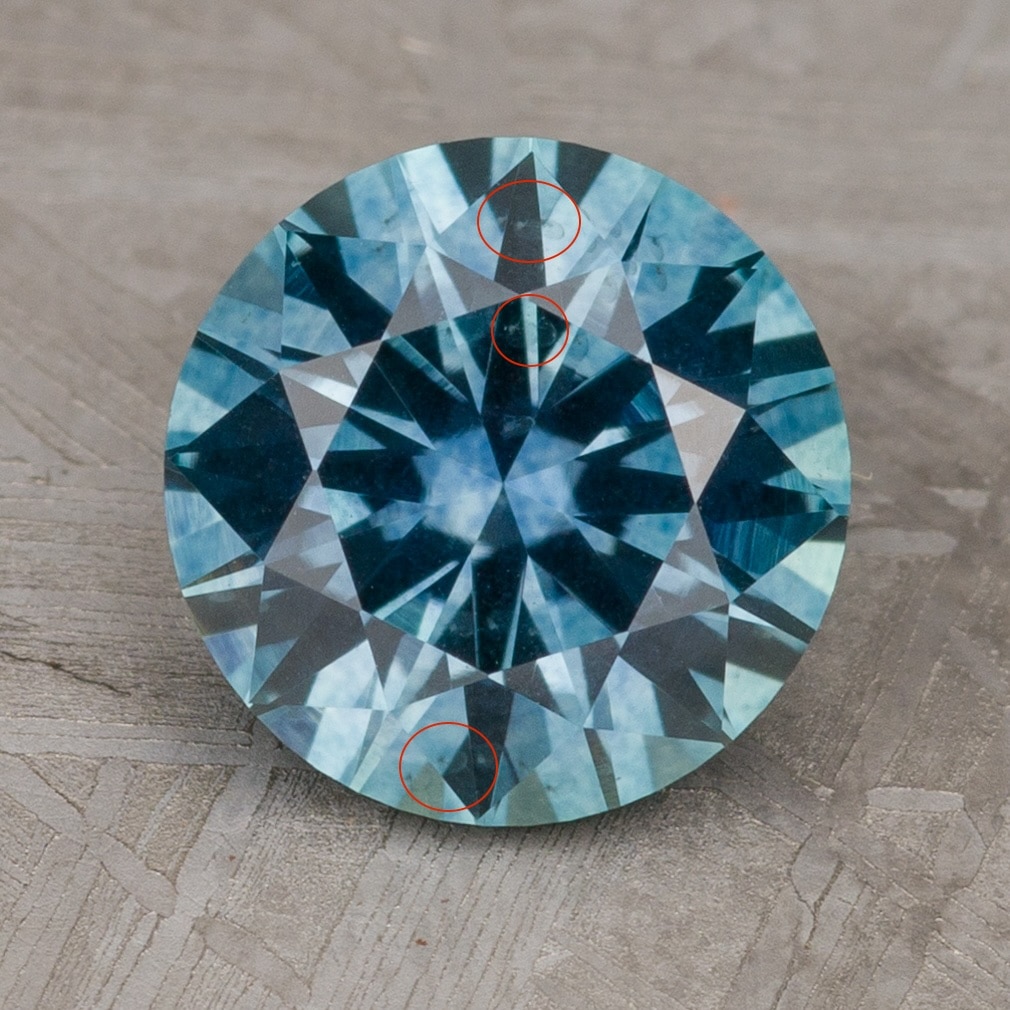
These gems will have tiny inclusions that are only easily visible with a magnifying loupe. With the unaided eye, in normal daylight and under normal inspection, you will not be able to see the inclusions. This is still an uncommon description for sapphires, even though we make an effort to cut our sapphires to be as clean as possible.
Sapphires with this clarity rating will also command a price premium, although not as high as the nearly flawless gems. A sapphire that has a patch of rutile silk, or a slightly visible haze form such that does not significantly impact the brilliance, may stay in this category.
Very Slightly Included (VSI):
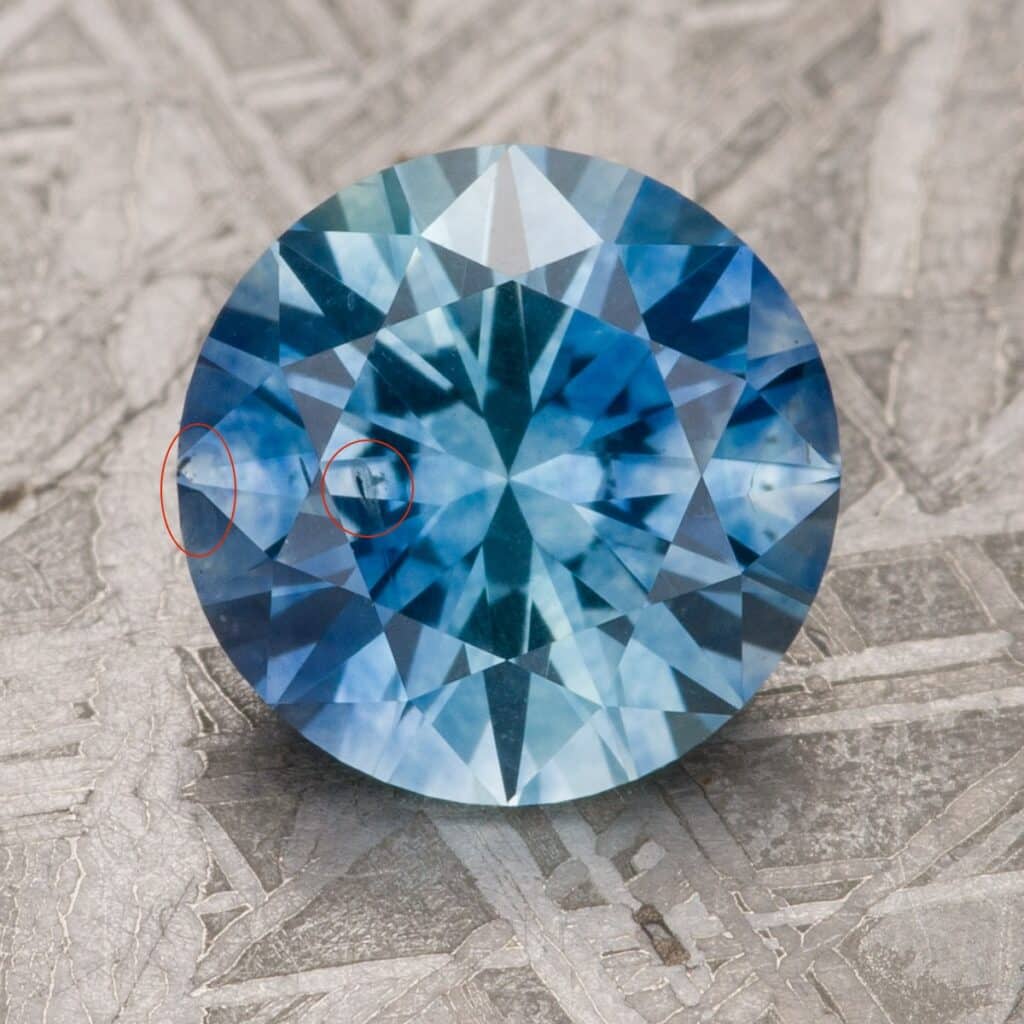
This is a common rating for sapphires, and represents a “sweet spot” for value. Inclusions will be very difficult or impossible to see in daily wear at a hand’s length, but the price is significantly lower than an eye-clean or nearly flawless gem.
This is not the same as the “VSI” rating used for diamonds, even though we use the same term. With a colored gem, we will describe it as very slightly included if there are tiny internal feathers, crystals inclusions, or clouds of rutile silk that are visible with the unaided eye under close inspection. The inclusions will almost always be near the edges of gem rather than the center, and there will typically be only one or two rather than several.
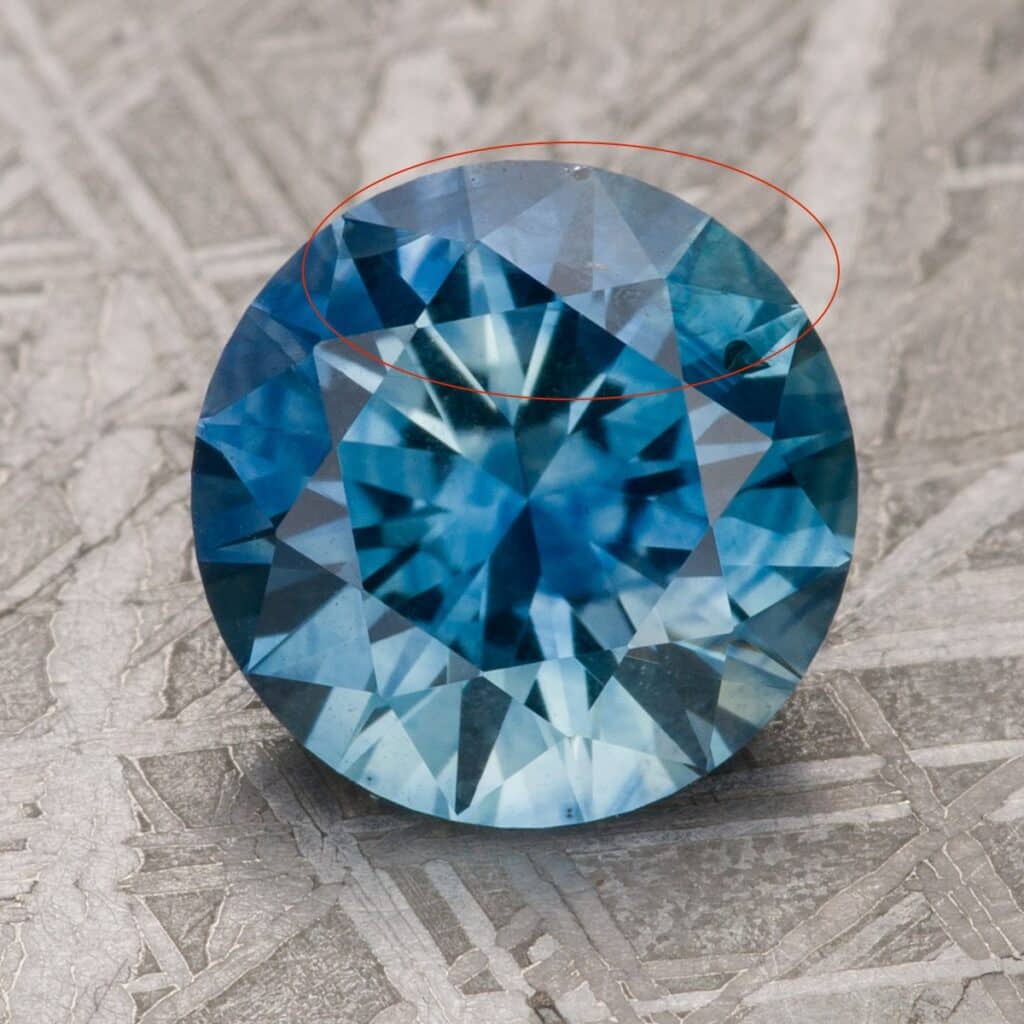
Slightly Included (SI):
Gems with this description will have inclusions you can readily see with the unaided eye. The inclusions may be partly in the center, and there can be more than a couple. That said, they will still be quite bright and lively in the hand, and the overall impact on the brilliance will not be significant. These gems can represent an excellent value if you are okay with visible inclusions. Many people are not put off by inclusions, and if that describes you, then you can get a much larger gem for your budget if you consider slightly included gems.

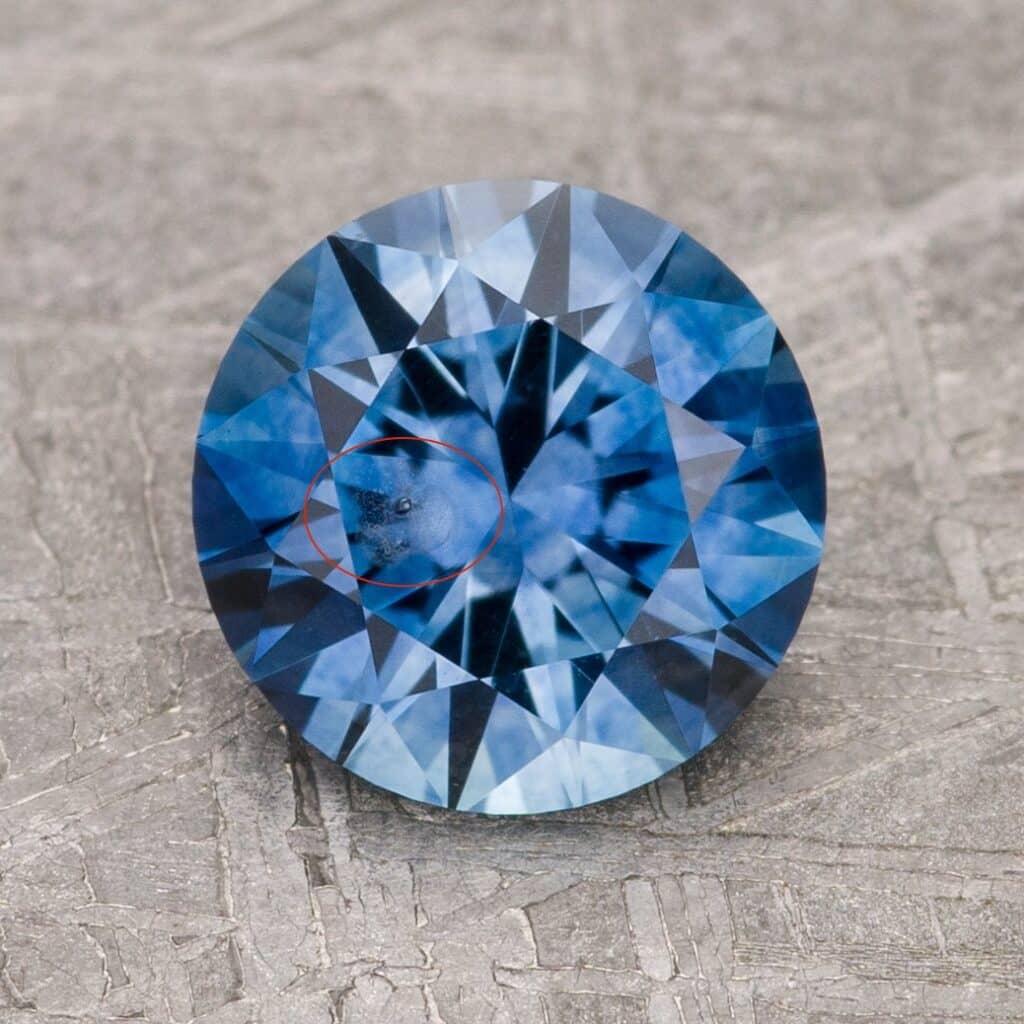
Included (I):
These gems have very obvious inclusions that can be seen even at a distance. We don’t list many gems like this, but we occasionally have some that feature unique colors or unusual sizes. The inclusions will decrease the brilliance of the gem, but will not have a significant impact on durability. We do not list any gem whose inclusions will significantly impact its durability.
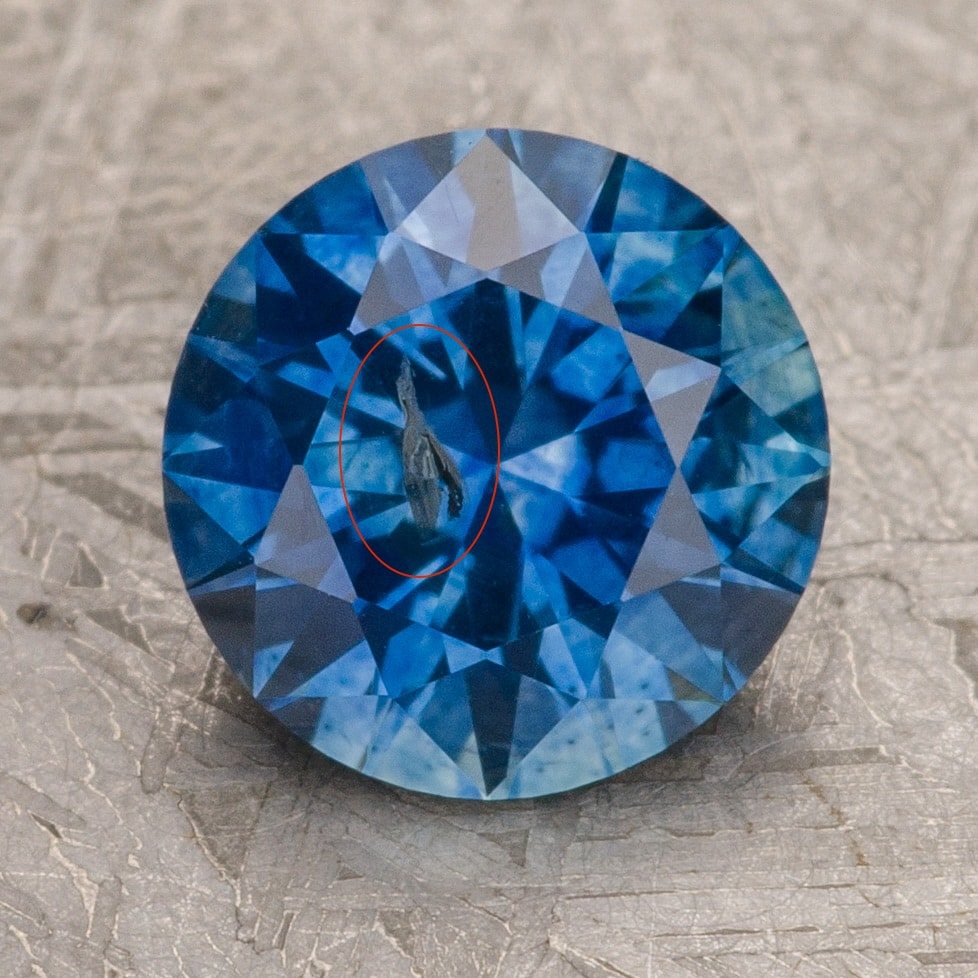
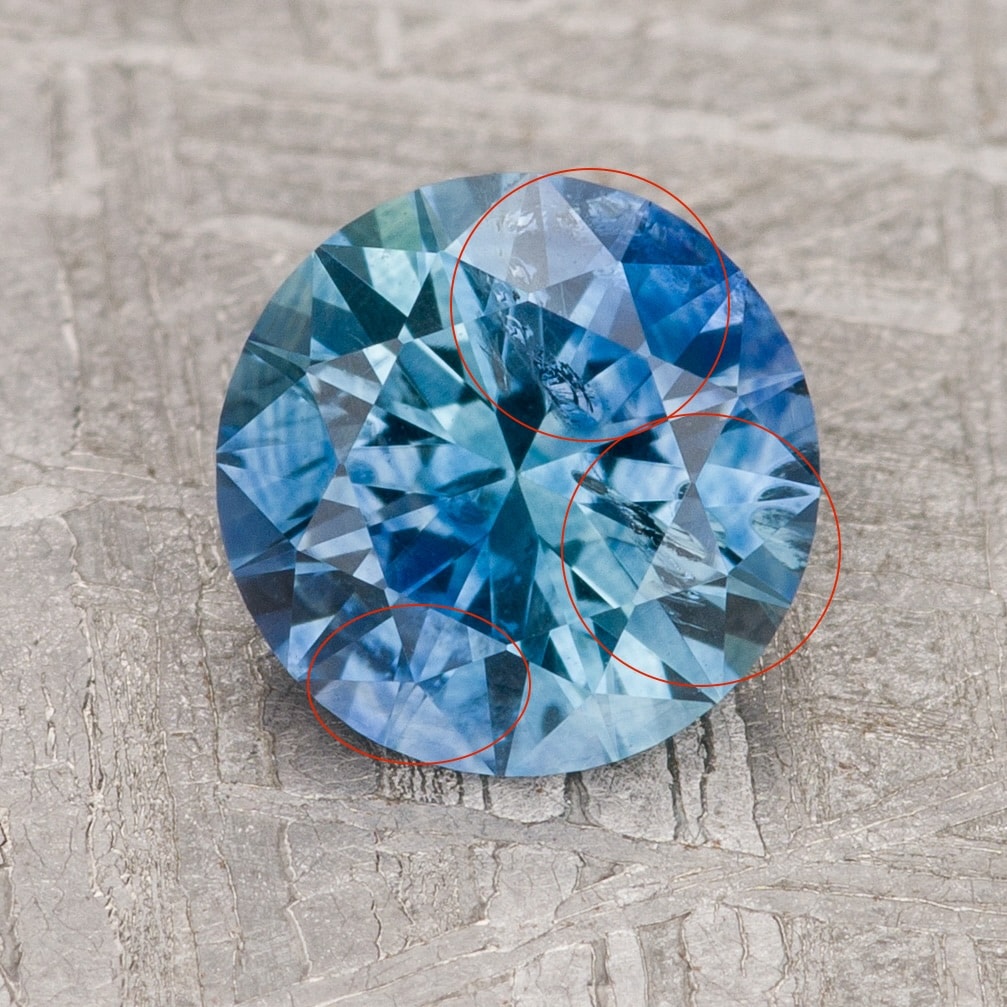
We always include a description of the inclusions for every gem on our website. Keep in mind that all of our photos are taken with a professional high-resolution camera and uploaded to the website in high resolution. Consequently, the photos will show details not visible to the unaided eye. That means many of the inclusions visible in the images will be much less visible in person. On a typical computer or tablet screen, the photos from our website will show you a level of detail similar to the view in a 5-10x loupe. We’d rather have you pleasantly surprised in person than the other way around!
We always recommend you request a video comparison of up to 4 gems shown on hand in both natural and incandescent lighting to see how the gem will appear. Of course, we also have our risk-free review and return policy, so you’ll always be able to view a gem in person and judge for yourself.